
Ukraine’s Parliament Approves 50-Year Sanctions Targeting Russian Cryptocurrencies and Banking System
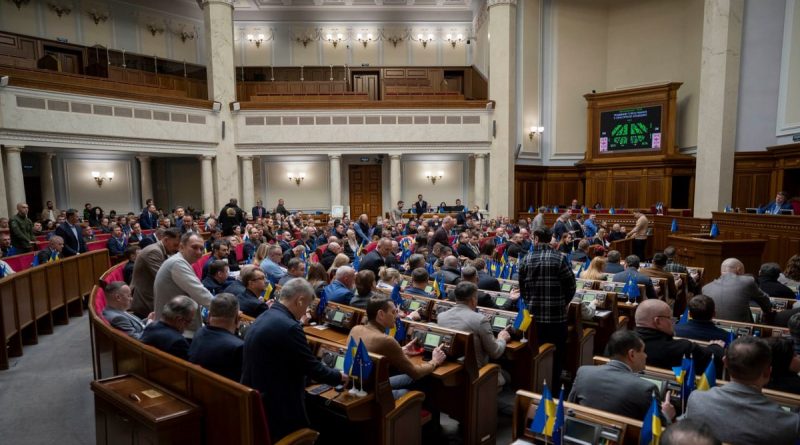
In a significant move to further isolate Russia economically, Ukraine’s Verkhovna Rada has officially endorsed the National Security and Defense Council’s (NSDC) decision to impose comprehensive 50-year sectoral sanctions against Russia’s financial and banking infrastructure. The landmark legislation specifically extends these restrictions to include Russian cryptocurrencies, marking one of the most extensive sanction packages targeting digital assets in the ongoing conflict. This decision effectively places sanctions on virtually the entire Russian financial-banking system, demonstrating Ukraine’s commitment to utilizing every available economic tool against Russian aggression.
Scope and Details of the New Sanctions Package
The newly approved sanctions represent a comprehensive approach to economic warfare that goes beyond traditional banking restrictions. By including cryptocurrencies in the sanction framework, Ukrainian lawmakers have addressed a significant loophole that Russian entities have increasingly exploited to circumvent existing international restrictions. The 50-year duration of these sanctions sends a clear message that Ukraine views these measures as long-term strategic tools rather than temporary pressure tactics. The legislation targets not only major Russian banks and financial institutions but also extends to digital payment systems, cryptocurrency exchanges operating under Russian jurisdiction, and blockchain-based financial instruments tied to Russian entities.
Cryptocurrency has become an increasingly important concern for sanction enforcement globally. Since the beginning of the full-scale invasion in February 2022, various reports have indicated that Russian businesses and individuals have attempted to use digital currencies to move funds internationally while avoiding traditional banking channels subject to Western sanctions. By explicitly including cryptocurrencies in the sanction framework, Ukraine aligns itself with growing international efforts to close these digital loopholes. The decision also reflects the evolving nature of modern financial warfare, where digital assets play an increasingly significant role in global money flows.
Historical Context of Ukraine’s Sanction Policy
Ukraine’s sanction policy against Russia has evolved significantly since the annexation of Crimea in 2014. Initially, Ukrainian sanctions focused primarily on individual Russian officials and specific companies directly involved in the occupation. However, following the full-scale invasion launched in February 2022, Kyiv dramatically expanded its approach to include entire sectors of the Russian economy. The NSDC, chaired by President Volodymyr Zelensky, has become the primary body for developing and implementing these economic measures, with the Rada providing legislative approval to ensure legal enforceability.
The 50-year timeframe for these sanctions is particularly noteworthy in the context of international sanction practices. While many Western nations have imposed sanctions without specified end dates, Ukraine’s explicit half-century horizon represents a statement of intent that these restrictions are designed to outlast current political leadership on both sides. Legal experts note that such long-term sanctions create significant complications for any future normalization of economic relations and serve as a deterrent against potential investors who might otherwise consider engaging with Russian financial entities.
International Alignment and Coordination
Ukraine’s expansion of sanctions to include cryptocurrencies aligns with similar efforts by the United States, European Union, and other Western allies. The Financial Action Task Force (FATF) has repeatedly called for enhanced monitoring of cryptocurrency transactions to prevent sanction evasion. By codifying these restrictions into domestic law, Ukraine strengthens its position as a partner in the international sanction coalition while also protecting its own financial system from potential infiltration by Russian digital assets. The move also demonstrates Ukraine’s sophisticated understanding of modern financial technologies and their potential misuse.
The practical enforcement of cryptocurrency sanctions presents unique challenges that Ukrainian authorities will need to address. Unlike traditional banking transactions, cryptocurrency transfers can be difficult to trace and may involve decentralized platforms operating outside any single jurisdiction. However, advances in blockchain analysis technology have made it increasingly possible to track and identify cryptocurrency movements, and Ukrainian officials have indicated they will work closely with international partners and private sector blockchain analysis firms to ensure effective implementation of these new restrictions.
Economic Impact and Future Implications
The full impact of these expanded sanctions will take time to assess, but experts suggest they will further complicate Russia’s ability to conduct international financial transactions. Combined with existing Western sanctions, Ukraine’s measures contribute to an increasingly comprehensive isolation of the Russian financial system. For ordinary Ukrainians, these sanctions represent a non-military tool for fighting back against Russian aggression, while for the international community, they demonstrate Ukraine’s commitment to utilizing every available means to defend its sovereignty and territorial integrity in what has become Europe’s largest conflict since World War II.