
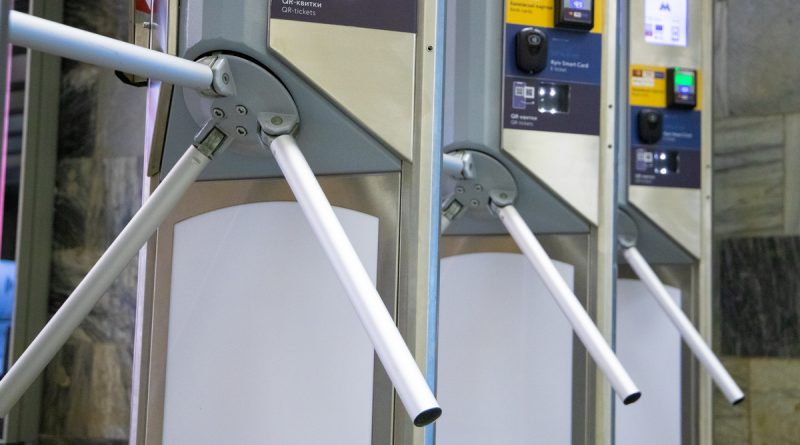
National Bank of Ukraine Assesses Impact of Utility and Transport Tariff Increases on Inflation
According to updated estimates from the National Bank of Ukraine (NBU), the inflation rate is projected to accelerate from 7.2% to 10% by the end of 2026. This significant revision in forecasts comes as Ukrainian authorities grapple with the complex challenge of balancing essential infrastructure maintenance costs with the economic burden on households already strained by ongoing wartime conditions. The central bank’s analysis highlights how adjustments to public transportation fares and water utility rates are expected to become key drivers of price increases across the economy in the coming months.
Understanding the NBU’s Revised Inflation Forecast
The National Bank of Ukraine’s updated projections represent a notable shift from earlier, more optimistic scenarios. The jump from 7.2% to 10% inflation by late 2026 reflects the cumulative effect of several factors, with regulated price adjustments playing a particularly significant role. Utility tariffs, including water supply costs and public transportation fares, have historically been subsidized or controlled by local and national authorities. However, the economic pressures of sustaining infrastructure during wartime have made such subsidies increasingly unsustainable.
Central bank analysts note that the pass-through effect of tariff increases extends beyond the immediate cost of services. When transportation costs rise, businesses face higher logistics expenses, which are typically reflected in consumer prices for goods across multiple sectors. Similarly, water tariff increases affect not only household budgets directly but also impact food production, manufacturing, and various service industries that rely heavily on water resources.
Historical Context of Utility Pricing in Ukraine
Ukraine’s approach to utility pricing has undergone significant transformations since independence in 1991. During the Soviet era, utilities were heavily subsidized, with prices set far below actual production costs. The transition to a market economy required gradual tariff adjustments, often implemented in stages to minimize social disruption. However, the full-cost recovery model remained elusive for decades, with political considerations frequently delaying necessary price corrections.
The situation became more complex following the 2014 events in Crimea and eastern Ukraine, which disrupted energy supplies and infrastructure networks. Subsequent reforms, particularly those tied to International Monetary Fund programs, mandated movement toward market-based utility pricing. The current war has accelerated these pressures, as damaged infrastructure requires substantial investment for repairs and maintenance, while revenue collection has become more challenging in affected regions.
The Role of Municipal Authorities
Local governments across Ukraine have varying degrees of autonomy in setting transportation fares and water tariffs. Major cities like Kyiv, Kharkiv, and Odesa have implemented fare increases at different rates, creating a patchwork of pricing that the NBU must account for in its national inflation calculations. Municipal authorities face the difficult task of maintaining service quality while keeping prices affordable for residents whose incomes have been affected by wartime economic conditions.
Broader Economic Implications
The projected inflation acceleration carries significant implications for Ukrainian households and businesses. For consumers, a 10% inflation rate means reduced purchasing power, particularly affecting those on fixed incomes such as pensioners and public sector workers. The NBU typically responds to inflation pressures through monetary policy adjustments, including interest rate decisions that influence borrowing costs throughout the economy.
Economic experts suggest that while the tariff-driven inflation is concerning, it may be preferable to the alternative of allowing infrastructure to deteriorate further. Deferred maintenance and underinvestment in water systems and public transportation could lead to service disruptions that would impose even greater costs on the economy over time. The challenge lies in implementing price adjustments in a manner that protects vulnerable populations while ensuring the financial sustainability of essential services.
Government Response Measures
Ukrainian authorities have indicated that targeted social assistance programs may be expanded to help offset the impact of tariff increases on low-income households. Such measures would aim to maintain access to essential services while allowing prices to move toward cost-recovery levels. The effectiveness of these programs will be crucial in determining the social impact of the projected inflation increase and maintaining public support for necessary economic reforms during an exceptionally challenging period in the nation’s history.