
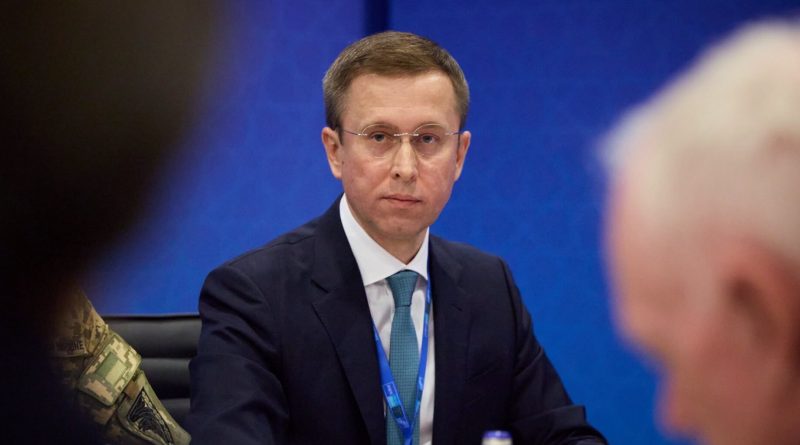
New Prime Minister Koretskyi Makes First International Call – With IMF Regarding New Tranche
Ukraine’s newly appointed Prime Minister has wasted no time establishing continuity in the country’s critical international financial partnerships. In his first official international engagement, Prime Minister Koretskyi reached out to representatives of the International Monetary Fund to discuss the ongoing cooperation program and the anticipated disbursement of the next financial tranche. The move signals that despite the recent governmental changes in Kyiv, Ukraine remains committed to its reform obligations and maintaining stable relations with its key international creditors.
According to official sources, the change in government leadership will not affect Ukraine’s collaboration with the International Monetary Fund, with the second tranche of funding expected to arrive as early as next week. This reassurance comes at a crucial time when Ukraine continues to navigate the complex challenges of wartime economic management while pursuing the structural reforms demanded by its international partners.
The Critical Role of IMF Support for Ukraine
The International Monetary Fund has been a cornerstone of Ukraine’s financial stability strategy, particularly since the full-scale invasion began in February 2022. In March 2023, the IMF approved a historic $15.6 billion Extended Fund Facility program for Ukraine – the first-ever IMF program for a country actively engaged in a large-scale war. This unprecedented arrangement reflected the international community’s recognition of Ukraine’s unique circumstances and the global importance of supporting the country’s economic resilience.
The program is structured around quarterly reviews and tranches, with each disbursement contingent upon Ukraine meeting specific reform benchmarks. These conditions typically include fiscal transparency measures, anti-corruption initiatives, central bank independence, and structural economic reforms. The successful completion of each review not only unlocks vital funding but also serves as a signal to other international donors and investors about Ukraine’s commitment to good governance and economic modernization.
Government Transition Amid Ongoing Challenges
The appointment of Prime Minister Koretskyi comes during one of the most challenging periods in Ukraine’s modern history. The country has demonstrated remarkable economic resilience despite the ongoing military conflict, maintaining essential government services, paying salaries and pensions, and keeping inflation relatively controlled. However, this stability has been heavily dependent on continued international financial support, with the IMF program serving as an anchor for the broader package of assistance from the European Union, United States, and other partners.
The new Prime Minister’s immediate focus on the IMF relationship reflects the government’s understanding of these economic realities. By making this his first international call, Koretskyi sent a clear message to financial markets and international partners that policy continuity will be maintained. This is particularly important given that Ukraine’s budget deficit remains substantial due to military expenditures, and the country relies heavily on external financing to cover the gap between revenues and spending.
Reform Agenda Under New Leadership
The incoming government inherits a complex reform agenda that includes continued efforts to strengthen the rule of law, enhance public procurement transparency, reform state-owned enterprises, and improve the business climate. These reforms are not merely bureaucratic exercises – they are essential for Ukraine’s long-term economic health and its aspirations for European Union membership. The IMF program has been closely aligned with the EU accession process, with many reform requirements overlapping between the two frameworks.
Looking Ahead: Economic Prospects and Challenges
With the second tranche expected within days, Ukraine’s immediate fiscal pressures should be somewhat alleviated. However, significant challenges remain on the horizon. The country must continue balancing wartime necessities with reform implementation, manage inflation expectations, and maintain exchange rate stability through the National Bank of Ukraine’s careful monetary policy. The success of these efforts will depend not only on government policy but also on the continued support of international partners and the trajectory of the military situation.
The new government’s quick action to reassure the IMF demonstrates an understanding that Ukraine’s economic survival is inextricably linked to its international partnerships. As Prime Minister Koretskyi begins his tenure, the international community will be watching closely to see whether the reform momentum can be maintained while the country continues its defense against Russian aggression. The phone call may have been brief, but its symbolic importance in signaling continuity and commitment cannot be overstated.