
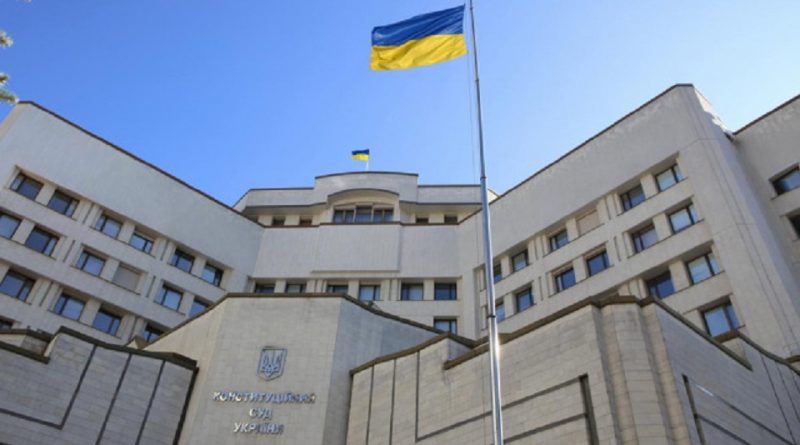
Ukraine’s Constitutional Court Strikes Down Wartime Restrictions on Paid Leave as Unconstitutional
In a landmark decision that reinforces worker protections during one of the most challenging periods in Ukraine’s modern history, the Constitutional Court of Ukraine has ruled that restrictions on paid leave implemented under martial law are unconstitutional. The ruling came in response to a petition filed by the country’s ombudsman, marking a significant victory for labor rights advocates who have long argued that emergency measures should not strip workers of fundamental entitlements.
The court’s decision addresses controversial provisions that were introduced following Russia’s full-scale invasion in February 2022, when the Ukrainian government enacted sweeping emergency measures affecting nearly every aspect of civilian life. Among these changes were modifications to the Labor Code that limited employees’ access to paid annual leave, with authorities arguing that such restrictions were necessary to maintain economic stability and ensure continued productivity during wartime. However, the Constitutional Court determined that these limitations violated citizens’ fundamental rights as guaranteed by Ukraine’s constitution.
The petition was brought forward by the Ukrainian Parliament Commissioner for Human Rights, commonly known as the ombudsman, whose office serves as a constitutional watchdog for citizens’ rights. The ombudsman argued that while martial law grants the government extraordinary powers to address national security concerns, these powers are not unlimited and must still operate within the constitutional framework. The right to rest and leisure, including paid annual leave, is enshrined in Article 45 of the Ukrainian Constitution, which states that everyone who works has the right to rest, and this right shall be ensured by the provision of days off and paid annual leave.
Labor law experts have noted that this ruling carries significant implications for the balance between emergency governance and individual rights. During times of war, governments worldwide face difficult decisions about which civil liberties can be temporarily curtailed in the interest of national survival. Ukraine’s Constitutional Court has now drawn a clear line, indicating that certain worker protections remain inviolable regardless of external circumstances. This precedent may influence future legislative decisions and court rulings regarding other wartime restrictions currently in place.
The historical context of labor rights in Ukraine adds another layer of significance to this decision.
Since gaining independence in 1991, Ukraine has worked to develop a robust legal framework protecting workers, gradually aligning its standards with European norms as part of its aspirations for European Union membership. The country’s Labor Code, originally inherited from the Soviet era, has undergone numerous reforms over the decades. The Constitutional Court’s ruling reaffirms Ukraine’s commitment to these standards even under the most extreme circumstances, sending a message that the pursuit of EU integration and adherence to European values continues despite the ongoing conflict.
The practical effects of this ruling will impact millions of Ukrainian workers who have continued laboring throughout the war, often under extraordinarily difficult conditions including power outages, air raid alerts, and the constant stress of potential attacks. Many employees had been denied their full annual leave entitlements since the introduction of martial law provisions, with some employers citing the legal restrictions as justification for limiting time off. Following this decision, affected workers may be entitled to claim their previously denied leave days, though the specific mechanisms for implementation will likely require additional guidance from labor authorities and potentially further legislative action.
The ruling has received acclaim from international observers as proof that Ukraine’s democratic institutions continue to function effectively even amid wartime conditions. The Constitutional Court’s capacity to provide oversight of executive and legislative authority showcases judicial independence, which is a critical factor in EU accession evaluations. Legal experts note that upholding the rule of law during an armed conflict presents extraordinary difficulties, yet remains vital for protecting the democratic principles that Ukraine is fighting to defend. The ruling further underscores the significant function of the ombudsman institution in championing citizens’ rights and serving as a pathway through which constitutional matters can be presented to the court.
As Ukraine continues to navigate the complexities of wartime governance while maintaining its democratic foundations, this Constitutional Court ruling stands as a reminder that fundamental rights require protection even in the darkest hours. The decision establishes an important precedent for how emergency measures must be balanced against constitutional guarantees, ensuring that workers retain essential protections while the nation fights for its survival and sovereignty.