
Ukraine to Pay Reparations to Victims of War-Related Sexual Violence
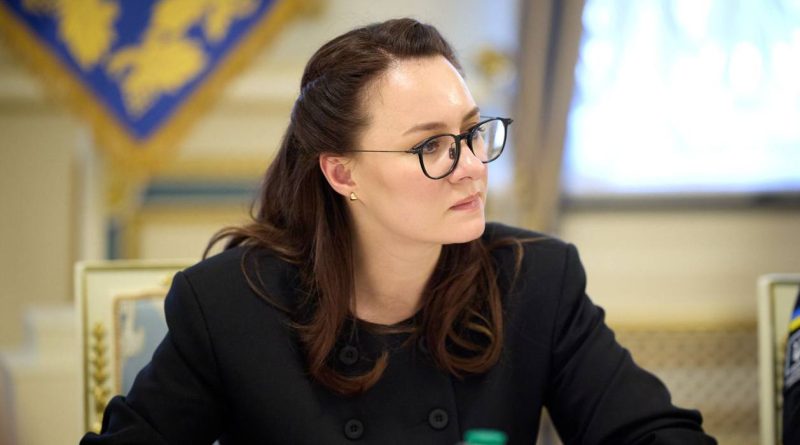
In a significant step toward addressing wartime atrocities, Ukraine has announced that victims of sexual violence connected to Russia’s military aggression will receive one-time compensation payments of 3,000 euros each. The announcement, made by First Deputy Prime Minister Yulia Svyrydenko, represents a crucial acknowledgment of the widespread sexual violence that has accompanied the ongoing conflict and demonstrates Ukraine’s commitment to supporting survivors even as hostilities continue.
Understanding the Scope of Wartime Sexual Violence
Following Russia’s full-scale military invasion of Ukraine in February 2022, both international bodies and Ukrainian officials have recorded extensive instances of sexual violence perpetrated against civilian populations. The United Nations Human Rights Monitoring Mission in Ukraine has identified systematic occurrences of rape, sexual torture, and gender-based violence within territories under Russian occupation. These atrocities have impacted women, men, and children alike, with those who survived frequently enduring profound physical and psychological harm that persists long after the initial attack.
Sexual violence in conflict is recognized under international law as a war crime and, when systematic, can constitute a crime against humanity. The documentation efforts by Ukrainian prosecutors, working alongside international partners, have been crucial in building cases for eventual accountability. Organizations including the Office of the Prosecutor General of Ukraine have established specialized units to investigate these crimes and support survivors through the legal process.
The Significance of Reparations Programs
The decision to implement direct financial compensation reflects evolving international standards for addressing conflict-related sexual violence. Historically, survivors of wartime sexual assault have often been forgotten in post-conflict reconstruction efforts, left to cope with lasting trauma without adequate support. Ukraine’s proactive approach to establishing reparations while the conflict continues sets an important precedent in international humanitarian response.
While the 3,000 euro payment cannot undo the harm suffered by victims, experts in transitional justice note that such compensation serves multiple purposes. It provides immediate financial assistance that can help survivors access medical care, mental health services, and rebuild their lives. Perhaps equally important, it represents official recognition of the crimes committed against them, which can be a crucial element in the psychological healing process.
International Support and Frameworks
The reparations program aligns with frameworks established by the United Nations and other international bodies. The UN Basic Principles and Guidelines on the Right to a Remedy and Reparation for Victims of Gross Violations of International Human Rights Law emphasize that states have obligations to provide adequate, effective, and prompt reparation to victims. International partners, including the European Union and various NGOs, have been working with Ukraine to develop comprehensive survivor support systems that combine financial assistance with medical, psychological, and legal services.
Challenges in Implementation and Documentation
Implementing such a program during an active conflict presents significant challenges. Many survivors remain in occupied territories or have been forcibly displaced, making it difficult to reach them with information about available support. The stigma surrounding sexual violence, which remains prevalent in many societies, may also prevent some victims from coming forward to claim compensation. Ukrainian authorities and civil society organizations are working to create safe, confidential reporting mechanisms that protect survivors’ privacy while ensuring they can access the support they deserve.
Documentation of these crimes faces its own obstacles. Evidence collection in conflict zones is inherently dangerous, and the passage of time can make it increasingly difficult to gather physical evidence. However, Ukrainian investigators have been trained in trauma-informed interview techniques and are working methodically to build comprehensive case files that can support both individual compensation claims and broader war crimes prosecutions at the international level.
Looking Toward Accountability and Justice
Beyond immediate compensation, Ukraine and its international partners are pursuing multiple avenues for long-term accountability. The International Criminal Court has opened an investigation into potential war crimes committed in Ukraine, and numerous countries have launched their own investigations under universal jurisdiction principles. While these legal processes may take years to yield results, the reparations program ensures that survivors receive tangible support now, rather than waiting indefinitely for justice through international courts. This comprehensive approach combining immediate assistance with long-term accountability reflects a maturing understanding of how to address sexual violence in conflict and support those whose lives have been forever changed by these crimes.