
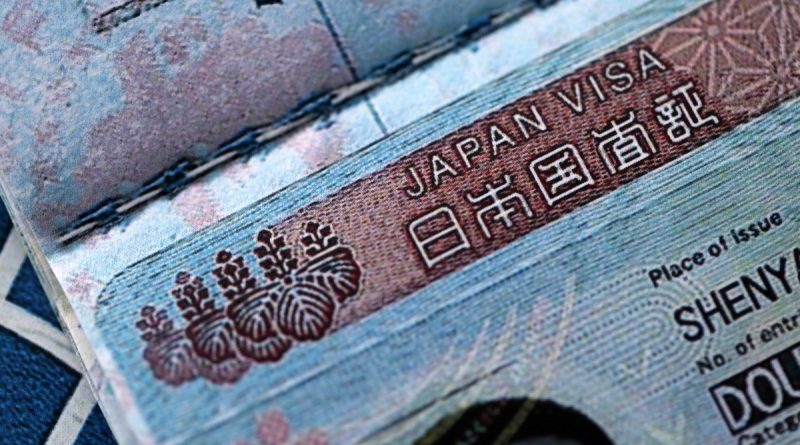
Japan Raises Visa Fees for First Time Since 1978 – With a Fivefold Increase
In a significant policy shift that has caught the attention of international travelers and the global tourism industry, Japan has announced its first visa fee increase in nearly half a century. The new pricing structure will see single-entry visas rise to approximately $100, while multiple-entry visas will cost travelers nearly $190. This dramatic adjustment marks a departure from pricing that has remained unchanged since 1978, representing one of the most substantial administrative fee increases in modern Japanese diplomatic history.
Details of the Historic Fee Adjustment
The fivefold increase in visa costs represents Japan’s effort to modernize its fee structure after 47 years of stagnant pricing. When the current fees were established in 1978, the global economic landscape was vastly different – Japan was still in the midst of its post-war economic miracle, and international travel was far less accessible to ordinary citizens worldwide. The decision to maintain such low fees for decades was partly a reflection of Japan’s desire to encourage international exchange and tourism, but economic realities have finally necessitated a change.
The new fee structure will apply to various visa categories, with single-entry visas bearing the brunt of the percentage increase. For frequent travelers, business professionals, and those with family connections to Japan, the multiple-entry visa option at approximately $190 may represent better long-term value despite the higher upfront cost. Japanese authorities have indicated that the increased revenue will help support modernization of visa processing systems and improved services at consulates worldwide.
Historical Context and Economic Factors
Japan’s decision to freeze visa fees for such an extended period was unusual among developed nations. Most countries regularly adjust their administrative fees to account for inflation and increased operational costs. During the same 47-year period, the Japanese yen has experienced significant fluctuations, including dramatic appreciation in the 1980s and more recent depreciation that has made the country an increasingly attractive destination for foreign tourists. The timing of this increase coincides with a period of yen weakness, which has already made Japan more affordable for international visitors despite the higher visa costs.
The 1978 baseline for these fees was established before many technological and administrative advances in international travel occurred. During that era, visa processing relied completely on paper systems, and application volumes were only a small portion of what they are today. Currently, Japan handles millions of visa applications each year, especially from nearby Asian countries where it continues to be among the most sought-after travel destinations. China, South Korea, Taiwan, and Southeast Asian nations constitute the biggest sources of visa applicants, and the fee increase will affect these markets to different degrees.
Impact on Tourism and International Relations
Tourism industry analysts suggest that while the fee increase is substantial in percentage terms, it is unlikely to significantly deter travelers who have already committed to visiting Japan. The country has experienced a remarkable tourism boom since reopening its borders after the COVID-19 pandemic, with visitor numbers in 2024 surpassing pre-pandemic levels. Japan’s unique cultural attractions, world-renowned cuisine, efficient transportation systems, and reputation for safety continue to draw visitors regardless of modest increases in travel costs.
Nevertheless, cost-sensitive travelers, especially those from developing countries, may experience the effects more significantly. For a family of four needing separate visas, the updated fees could increase the overall trip expense by several hundred dollars. Travel industry specialists suggest that prospective visitors incorporate these additional costs into their budgeting and evaluate whether multiple-entry visas might provide greater value for those intending to make return visits during the visa’s validity period.
Looking Ahead: Modernization and Future Changes
Japanese government officials have emphasized that the fee increase will support significant improvements in visa processing infrastructure. Plans include enhanced digital application systems, reduced processing times, and expanded consular services in high-demand locations. Some observers speculate that Japan may eventually move toward electronic visa systems similar to those implemented by the United States, Australia, and European Union members, which could streamline the application process while generating sustainable revenue for immigration services. As Japan continues to balance its desire for international openness with practical administrative needs, travelers should anticipate that this long-overdue adjustment may herald a new era of more regular fee reviews and potential future increases.