
Crypto Winter or Market Cleansing: Why Bitcoin Is Crashing and How Investors Can Protect Their Portfolios
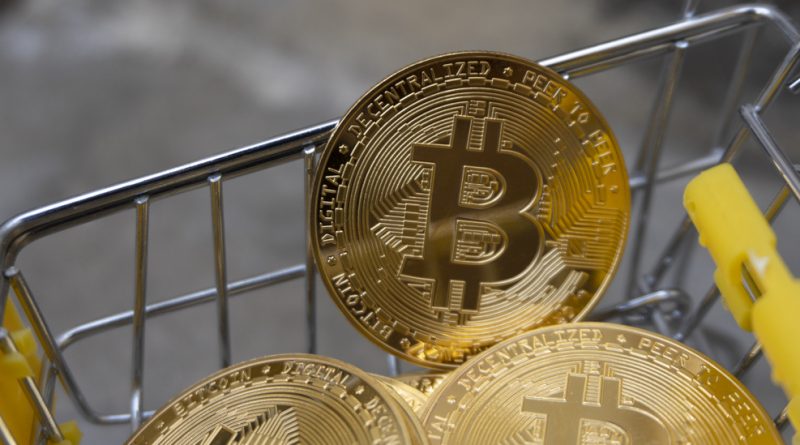
The cryptocurrency market has experienced a dramatic downturn that has sent shockwaves through the global investment community. Bitcoin, the world’s largest cryptocurrency by market capitalization, has plummeted sharply, triggering billions of dollars worth of forced liquidations as overleveraged traders watched their positions evaporate within hours. The sudden crash has reignited the age-old debate among market participants: are we witnessing the beginning of another devastating crypto winter, or is this simply another healthy correction that will ultimately strengthen the market?
The scale of liquidations has been staggering, with major exchanges reporting that leveraged positions worth several billion dollars were forcibly closed as prices cascaded downward. This cascade effect, common in cryptocurrency markets due to their 24/7 trading nature and high leverage availability, amplified the initial selling pressure into a full-blown market rout. Traders who had borrowed funds to amplify their potential gains found themselves on the wrong side of the trade, with margin calls triggering automatic sell orders that further depressed prices in a vicious feedback loop.
To grasp the present circumstances, examining the historical backdrop of Bitcoin’s infamous price swings is crucial. Since Satoshi Nakamoto created it in 2009 under a pseudonym, Bitcoin has gone through several boom-and-bust cycles, each marked by exponential increases followed by devastating downturns. During the 2017-2018 cycle, Bitcoin climbed to approximately $20,000 before plummeting more than 80% to roughly $3,200. Likewise, the 2021 bull market drove prices beyond $69,000, only for the market to subsequently shed over 75% of its value throughout the 2022 crypto winter. These historical trends indicate that dramatic corrections, though distressing, are nothing new in the cryptocurrency space.
Market analysts and experienced investors are divided on whether the current downturn signals the end of the current market cycle or represents a buying opportunity. Representatives from Binance, the world’s largest cryptocurrency exchange by trading volume, have emphasized that such corrections are a normal part of market dynamics and often serve to eliminate excessive speculation and leverage from the system. This “cleansing” process, as some industry veterans describe it, removes weak hands and overleveraged positions, potentially setting the stage for more sustainable growth in the future. Historical data supports this view, showing that Bitcoin has consistently recovered from major corrections to reach new all-time highs, though the timeline for such recoveries has varied significantly.
Several factors have contributed to the current market turbulence.
Macroeconomic conditions, including persistent inflation concerns and central bank monetary policies, continue to influence risk asset valuations globally. The correlation between Bitcoin and traditional equity markets, particularly technology stocks, has increased in recent years, meaning that broader market sentiment now plays a more significant role in cryptocurrency price movements. Additionally, regulatory uncertainty in major markets like the United States and European Union creates an atmosphere of unpredictability that can trigger sudden sell-offs when negative news emerges. Geopolitical tensions and concerns about the global economic outlook have further complicated the investment landscape.
For investors seeking to safeguard their portfolios amid this volatile phase, seasoned market veterans suggest multiple approaches. Diversification remains essential – distributing investments among various asset classes and cryptocurrency projects can help reduce the effect of any individual position’s decline. Dollar-cost averaging, which involves investing set amounts at consistent intervals irrespective of price, helps level out volatility and lowers the chance of purchasing at market highs. Most critically, investors should steer clear of excessive leverage, as the recent surge in liquidations shows how rapidly leveraged positions can be eliminated during swift market shifts. Keeping sufficient cash on hand also enables investors to take advantage of potential buying opportunities when prices drop to appealing levels.
Whether this marks the conclusion of the current cycle or simply a temporary pullback ultimately hinges on numerous factors that remain unclear. Long-term Bitcoin proponents cite the cryptocurrency’s core value proposition – a decentralized, limited digital asset functioning independently of conventional financial systems – as grounds for sustained optimism. Institutional participation keeps expanding, with major financial firms progressively providing cryptocurrency services to their customers. Nevertheless, critics caution that regulatory restrictions, technological obstacles, and rivalry from other digital assets could create substantial challenges. As with any investment, especially in such an unpredictable asset class, investors are encouraged to perform comprehensive research, invest only funds they can afford to lose, and keep a long-term outlook capable of enduring short-term market volatility.