
Ukrainian Hryvnia Hits New Record Low Against Dollar on June 10
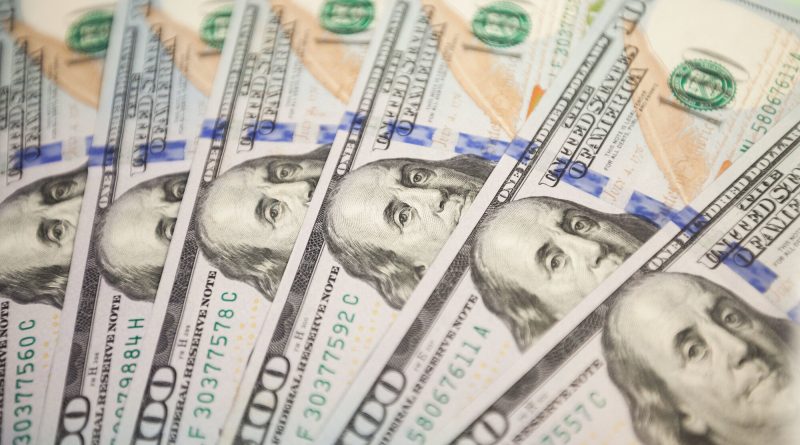
The National Bank of Ukraine (NBU) has set the official exchange rate for the Ukrainian hryvnia at 44.8437 UAH per US dollar for Wednesday, June 10, marking yet another historic low for the national currency. This latest depreciation continues a troubling trend that has seen the hryvnia steadily lose value against the world’s primary reserve currency throughout 2024 and into 2025, reflecting the ongoing economic pressures facing the war-torn nation.
Currency Controls and the Shift from Fixed Rates
The persistent decline of the hryvnia represents one of the most significant economic challenges Ukraine has faced since Russia’s full-scale invasion began in February 2022. At the start of the conflict, the NBU implemented strict currency controls and fixed the exchange rate at approximately 29.25 hryvnia per dollar to prevent financial panic and stabilize the economy during the initial shock of war. However, as the conflict has dragged on for over three years, maintaining artificial currency stability has become increasingly difficult, forcing the central bank to gradually allow the hryvnia to find its market-driven value.
Economic Factors Driving the Depreciation
The depreciation of Ukraine’s currency is driven by multiple interconnected factors that have intensified throughout the prolonged conflict. Military spending continues to consume a massive portion of the national budget, with defense expenditures accounting for nearly half of all government outlays. Additionally, the destruction of critical infrastructure, disruption of agricultural exports through Black Sea ports, and the displacement of millions of workers have severely impacted Ukraine’s productive capacity. Foreign currency reserves, while bolstered by international aid, face constant pressure from import needs and debt servicing obligations.
The Role of International Financial Support
International financial support has been crucial in preventing an even steeper currency collapse. The International Monetary Fund, European Union, United States, and other Western allies have provided tens of billions of dollars in financial assistance since 2022. This aid has helped Ukraine maintain essential government functions, pay salaries to public sector workers, and keep the economy functioning at a basic level. However, analysts note that this external support, while vital, cannot fully compensate for the structural economic damage caused by ongoing hostilities and the loss of significant industrial capacity in occupied or front-line territories.
Impact on Ukrainians and Monetary Policy Response
Currency specialists and economists have been carefully tracking the hryvnia’s path, with many forecasting additional depreciation over the upcoming months. The exchange rate’s fluctuations impact ordinary Ukrainians directly, as imported products grow costlier and purchasing power diminishes. Inflation, which surged sharply during the war’s initial months, continues to worry households already coping with wartime circumstances. The NBU has utilized various monetary policy instruments, including keeping interest rates relatively elevated, to address inflationary pressures while overseeing the currency’s managed decline.
The central bank’s approach to exchange rate management has evolved significantly since the war began. Initially maintaining a strict peg, the NBU transitioned to a managed float in October 2023, allowing market forces to play a greater role while still intervening to prevent excessive volatility. This strategy aims to preserve foreign currency reserves while gradually adjusting the exchange rate to reflect economic realities. Central bank officials have emphasized their commitment to maintaining financial stability while acknowledging that some currency adjustment is necessary given wartime economic conditions.
Outlook for the Hryvnia
Going forward, the hryvnia’s future path remains intimately connected to battlefield developments and the persistence of international financial assistance. Economic analysts indicate that lasting currency stabilization will only become achievable once fighting ends and reconstruction initiatives can commence in full. In the meantime, Ukrainians and companies operating within the country must keep adjusting to a difficult economic landscape marked by currency volatility, high inflation, and the constant disruptions of continuing conflict. The record-breaking exchange rate stands as a sobering reminder of the deep economic toll that accompanies extended warfare.