
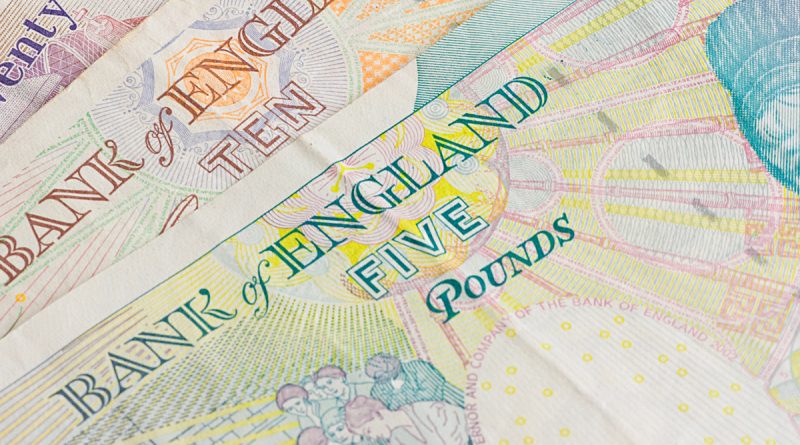
Bank of England Unveils List of Animals That Could Replace Historical Figures on British Banknotes
In a remarkable departure from centuries of tradition, the Bank of England has announced that future British banknotes may feature native wildlife instead of the historical figures that have long graced the nation’s currency. The proposal suggests that iconic personalities such as Winston Churchill and Jane Austen could eventually be replaced by images of frogs, hedgehogs, or dolphins, marking a significant shift in how Britain chooses to represent itself through its money.
Public Consultation and Proposed Wildlife Species
This initiative is part of a wider consultation effort to decide what should be featured on the upcoming generation of British currency. The Bank of England has been collecting public feedback on possible themes for future banknote designs, and the response has been remarkably varied. One of the most favored suggestions is honoring British wildlife, which reflects increasing public consciousness about environmental matters and the wish to showcase the nation’s natural heritage on its most widely distributed form of art.
The animals being considered include some of Britain’s most cherished and easily identifiable native species. The European hedgehog, formerly a familiar presence in British gardens, has emerged as an emblem of wildlife conservation initiatives as its numbers have dropped significantly in recent decades. Likewise, several frog species indigenous to the British Isles have encountered environmental challenges, making their potential inclusion on banknotes a compelling statement regarding conservation priorities. Featuring dolphins recognizes the abundant marine life present in British waters, especially along the coastlines of Scotland, Wales, and Cornwall, where these intelligent creatures are regularly observed by residents and visitors alike.
A Historic Break from Tradition
This potential redesign would represent a historic shift in British monetary tradition. Since the Bank of England began featuring portraits on its notes in the late 17th century, the imagery has almost exclusively celebrated human achievement. The current series of polymer banknotes features Queen Elizabeth II on one side, with the reverse honoring figures such as Sir Winston Churchill on the £5 note, Jane Austen on the £10, artist J.M.W. Turner on the £20, and mathematician Alan Turing on the £50. These selections have often sparked public debate, with campaigns for greater diversity in representation gaining significant traction in recent years.
The move toward featuring wildlife would align Britain with several other nations that have chosen to showcase their natural heritage on currency. Australia’s banknotes famously feature native animals alongside notable Australians, while New Zealand’s currency proudly displays the kiwi bird and other endemic species. Conservation groups have welcomed the Bank of England’s consideration of wildlife themes, arguing that featuring endangered or declining species could raise awareness about environmental challenges facing British ecosystems. The Wildlife Trusts, a federation of conservation charities across the United Kingdom, has long advocated for greater public recognition of native species.
Design Process and Security Considerations
The technical process of redesigning British banknotes is extensive and typically takes several years from initial concept to circulation. The Bank of England’s current polymer notes, introduced between 2016 and 2021, incorporated advanced security features including transparent windows, holograms, and raised print to combat counterfeiting. Any new design featuring wildlife would need to maintain these sophisticated anti-fraud measures while presenting animals in a dignified and artistically compelling manner. The bank has indicated that public consultation will continue throughout the design process, ensuring that any final decision reflects broad national sentiment.
Mixed Reactions and Cultural Debate
Historians and cultural commentators have offered mixed reactions to the proposal. Some argue that banknotes serve an important educational function, introducing younger generations to significant historical figures who shaped British society. Others counter that wildlife imagery could foster a deeper connection to the natural world and support environmental education goals. The debate reflects broader questions about national identity and what symbols best represent contemporary Britain. As climate change and biodiversity loss become increasingly urgent concerns, the choice to potentially feature endangered species on currency could send a powerful message about the nation’s environmental commitments both domestically and on the world stage.