
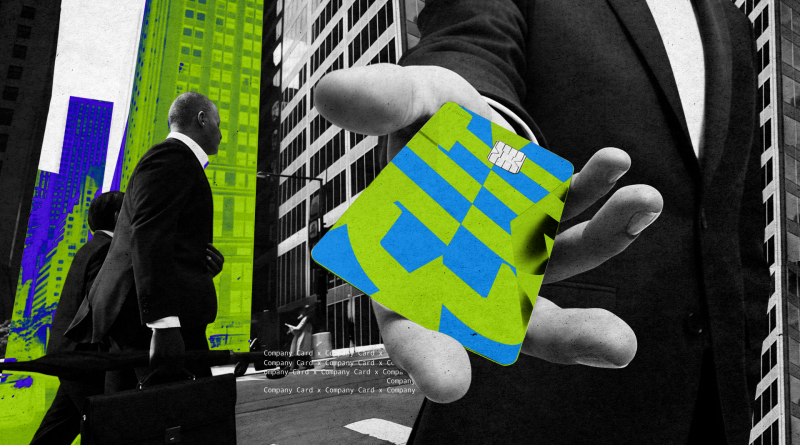
TikTok and OnlyFans Enter the Financial Market: Who in Ukraine Could Follow This Path
The landscape of digital finance is undergoing a remarkable transformation as social media giants and content platforms venture into territory traditionally dominated by banks. TikTok, the video-sharing phenomenon with over a billion global users, and OnlyFans, the subscription-based content platform, have both launched their own branded financial products, signaling a new era where tech companies are no longer content with just capturing user attention—they want to manage their money too. This trend toward branded financial products represents a fundamental shift in how companies think about customer relationships and revenue diversification, raising important questions about who might replicate this model in emerging markets like Ukraine.
The Rise of Embedded Finance in Content Platforms
The concept of embedded finance—integrating financial services directly into non-financial platforms—has been gaining momentum since the mid-2010s, but recent moves by major content platforms have accelerated this trend dramatically. TikTok’s parent company ByteDance has been exploring payment solutions and financial services across multiple markets, recognizing that keeping users within their ecosystem for transactions creates powerful network effects. OnlyFans, meanwhile, has launched a dedicated payment card for its creators, addressing a long-standing pain point in the creator economy where content producers often struggle with traditional banking relationships. These initiatives build on earlier successes by companies like Apple with its Apple Card, and Uber with its driver debit cards, demonstrating that platform-native financial products can generate significant user loyalty while opening new revenue streams.
How Branded Financial Products Work
The underlying mechanics of branded financial products generally rely on collaborations between tech companies and licensed banking institutions. Instead of pursuing banking licenses on their own—a procedure that can span years and demands extensive regulatory adherence—platforms team up with established banks or fintech firms that manage the core financial infrastructure. This white-label model enables brands to provide cards, accounts, and payment solutions under their own branding while the partner institution handles regulatory compliance, fraud detection, and capital reserves. For consumers, the attraction stems from seamless integration with platforms they already use every day, frequently paired with rewards and features customized to their particular usage habits. A TikTok creator, for example, might earn cashback on content creation tools, while an OnlyFans creator gains instant access to their earnings without the delays typical of traditional payment processing.
The global embedded finance market has experienced explosive growth, with industry analysts projecting it could reach $7 trillion in value by 2030. This growth is driven by several converging factors: declining costs for financial technology infrastructure, increasing consumer comfort with digital-first banking, and the recognition by non-financial companies that payments represent a crucial touchpoint in customer relationships. Major retailers like Walmart have launched financial services, while ride-sharing companies, e-commerce platforms, and even gaming companies have introduced their own payment solutions. The success of these ventures depends heavily on the strength of the existing customer relationship and the platform’s ability to offer genuine value beyond what traditional banks provide.
Ukraine’s Digital Finance Landscape and Potential Candidates
In Ukraine, the potential for branded financial products exists within a unique context shaped by both opportunity and challenge. The country boasts one of Europe’s most digitally sophisticated populations, with mobile banking adoption rates that rival Western European nations. Ukrainian fintech sector has demonstrated remarkable resilience and innovation, continuing to develop new products even amid the ongoing conflict. Companies like Monobank have proven that digital-first financial services can capture massive market share quickly when they offer superior user experience. However, regulatory frameworks for embedded finance remain less developed than in the European Union or United States, and the economic uncertainties created by the war add complexity to any new financial venture.
Several Ukrainian companies possess the user base and brand recognition that could theoretically support branded financial products. Major e-commerce platforms, delivery services with millions of active users, and popular digital content creators all represent potential candidates. Rozetka, Ukraine’s largest online marketplace, already offers various payment solutions and could potentially expand into branded financial products. Similarly, food delivery services that have maintained operations throughout the conflict have built strong customer relationships that could translate into financial service offerings. The creator economy in Ukraine, while smaller than in Western markets, has grown substantially, with Ukrainian influencers and content creators potentially benefiting from payment solutions designed specifically for their needs.
Challenges and Future Outlook for Ukrainian Branded Finance
Notwithstanding the apparent possibilities, considerable obstacles hinder straightforward replication of the TikTok and OnlyFans model in Ukraine. The capital demands for introducing financial products, even through white-label partnerships, remain significant. Regulatory approval procedures, though improving, continue to pose challenges for innovative financial frameworks. Perhaps most critically, the ongoing security situation generates uncertainty that complicates long-term financial planning for both businesses and consumers. International payment networks have enacted restrictions that make cross-border transactions more difficult, constraining the potential scope of any Ukrainian branded financial product. Furthermore, Ukraine’s established banking sector, spearheaded by institutions like PrivatBank, provides increasingly sophisticated digital services that set a high standard for any new market entrant.
Going forward, the movement toward branded financial products seems unstoppable globally, with additional platforms likely to pursue the trail established by TikTok and OnlyFans. For Ukrainian businesses, the post-war reconstruction era may offer the optimal opportunity for introducing such ventures, merging renewed economic confidence with a population already familiar with digital financial services. The critical success factors will probably include pinpointing authentic pain points in current financial services, leveraging robust existing customer relationships, and maneuvering through the regulatory environment with seasoned partners. Though the challenges are genuine, Ukraine’s history of fintech innovation indicates that domestically developed branded financial products could ultimately become a significant component of the country’s digital economy.