
97% of Purchases on Monomarket Are Made Through Installment Plans, Bank CEO Reveals
In a striking revelation about consumer behavior in Ukraine’s digital marketplace, the overwhelming majority of customers shopping on Monomarket prefer to spread their payments over time rather than pay upfront. According to the CEO of Monobank, approximately 97% of all purchases made on the platform are completed using the “Buy in Parts” installment payment option, highlighting a significant shift in how Ukrainians approach retail spending in the current economic climate.
This remarkable statistic underscores the growing reliance on flexible payment solutions among Ukrainian consumers, particularly as economic pressures continue to influence purchasing decisions. The “Buy in Parts” program, which allows customers to divide the cost of goods into several monthly payments without interest charges when paid on time, has become virtually synonymous with shopping on the Monomarket platform. The service has transformed from a convenient option into the default payment method for the vast majority of users.
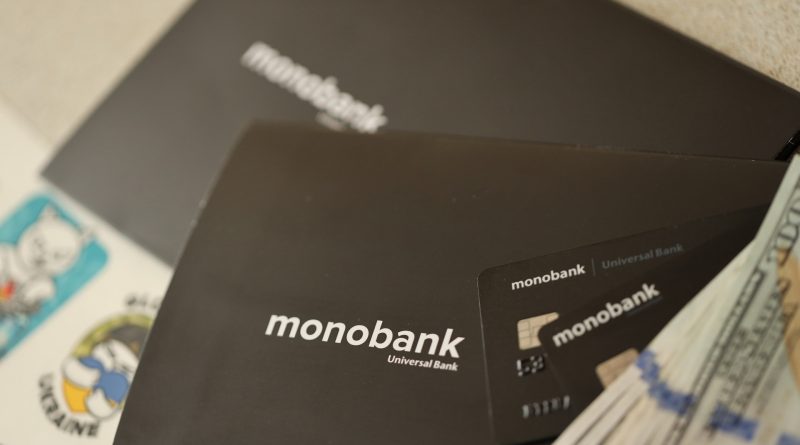
Monobank, launched in 2017 as Ukraine’s first fully mobile bank, has consistently positioned itself at the forefront of fintech innovation in Eastern Europe. The bank operates entirely through a smartphone application, eliminating traditional brick-and-mortar branches and passing the resulting cost savings on to customers through competitive rates and innovative services. Monomarket, the bank’s integrated e-commerce platform, was designed to seamlessly combine shopping with the bank’s signature installment payment features, creating a unified ecosystem where financial services and retail converge.
The popularity of installment payments reflects broader trends in consumer finance across Europe and beyond. Buy Now, Pay Later (BNPL) services have experienced explosive growth globally, with companies like Klarna, Afterpay, and Affirm reshaping retail landscapes in Western markets. However, Monobank’s integration of this feature directly into its banking application and proprietary marketplace represents a more comprehensive approach than standalone BNPL providers typically offer. The 97% adoption rate far exceeds industry averages in other markets, suggesting that Ukrainian consumers have embraced this payment model with particular enthusiasm.
Economic analysts point to several factors driving this trend in Ukraine.
The ongoing conflict with Russia has created significant economic uncertainty, making large single payments more challenging for many households. Installment plans allow families to maintain their purchasing power while managing cash flow more effectively during difficult times. Additionally, Ukraine has historically had lower credit card penetration compared to Western European nations, meaning that installment payment options fill a crucial gap in consumer financing that traditional credit products might occupy elsewhere.
The “Buy in Parts” program’s success also showcases Monobank’s advanced methodology for assessing risk and managing customer relationships. The bank employs sophisticated algorithms and machine learning technologies to assess creditworthiness, allowing for quick approval decisions that make installment options readily available during checkout. This technological framework enables customers to finalize purchases within seconds while the bank efficiently handles risk management across millions of transactions. The model has demonstrated exceptional durability, sustaining low default rates even amid difficult economic conditions.
Industry analysts observe that Monobank’s ecosystem strategy—integrating banking services, a marketplace, and built-in financing—could represent what lies ahead for retail banking. By managing the complete customer experience from discovering products through purchasing and payment, the bank gathers valuable data and establishes numerous opportunities for customer interaction. This approach has enabled Monobank to develop into one of Ukraine’s most favored financial institutions, with millions of active users depending on its services for their everyday financial needs.
The implications of such high installment adoption rates extend beyond individual consumer behavior.
Merchants participating in Monomarket experience improved conversion rates and larger average order values, since customers are more inclined to make purchases when payments can be distributed over time. This generates a positive feedback loop where additional merchants join the platform, broadening product offerings and drawing more customers. As digital commerce keeps advancing, Monobank’s experience illustrates how thoroughly integrated financial services can fundamentally transform consumer expectations and buying behaviors.