
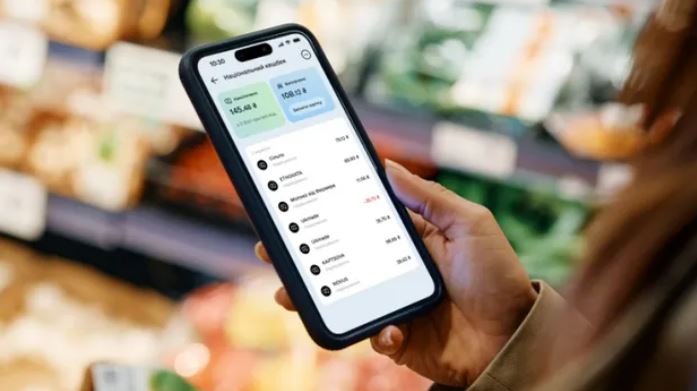
National Cashback Program Expands: Two More Banks Join, Bringing Total to 22 Participants
The National Cashback program continues to expand its reach and influence in the country’s financial sector, with two additional banks recently joining the initiative. This brings the total number of participating financial institutions to 22, demonstrating the program’s growing popularity and resilience. Remarkably, this expansion comes despite recent governmental changes, including shifts in cabinet positions and the appointment of a new Minister of Economy, signaling that the program has established itself as a stable and valuable component of the national economic strategy.
Program Overview and Recent Developments
The National Cashback program was designed as a government-backed initiative aimed at stimulating domestic consumer spending while providing tangible benefits to everyday shoppers. By offering percentage-based returns on purchases made at participating retailers and service providers, the program encourages citizens to spend within the national economy rather than seeking goods and services abroad. The addition of two new banking partners represents a significant milestone, as broader bank participation means more consumers can access the program through their existing financial relationships without needing to open new accounts or change their banking habits.
Financial industry analysts note that the steady growth of the program reflects its practical value to both consumers and participating institutions. Banks benefit from increased transaction volumes and customer engagement, while shoppers enjoy meaningful savings on their everyday purchases. The symbiotic nature of this arrangement has made the National Cashback program an attractive proposition for financial institutions of varying sizes, from major national banks to smaller regional players seeking to enhance their competitive offerings.
Stability Amid Political Transition
Perhaps the most notable aspect of this expansion is its timing. Government programs often face uncertainty during periods of political transition, with new ministers frequently reviewing, modifying, or even discontinuing initiatives launched by their predecessors. The fact that the National Cashback program continues to attract new participants despite the recent change in economic ministry leadership suggests that the program has achieved a level of institutional stability and cross-partisan support that transcends individual political appointments. This continuity provides reassurance to both participating banks and consumers who have come to rely on the program’s benefits.
Economic experts suggest that successful cashback programs require consistent government support and clear regulatory frameworks to thrive. The maintenance of the National Cashback initiative through governmental changes indicates that policymakers across the political spectrum recognize its value as a tool for economic stimulation. Such programs have proven particularly effective in encouraging consumer spending during periods of economic uncertainty, as they provide immediate, tangible rewards that can offset concerns about inflation or economic instability.
Impact on Consumers and the Banking Sector
For ordinary citizens, the expansion of the National Cashback program to 22 participating banks means greater accessibility and convenience. Consumers who previously could not participate because their primary bank was not part of the program may now find themselves eligible. This democratization of access is crucial for ensuring that the program’s benefits reach across all segments of society rather than being concentrated among customers of specific financial institutions. Industry observers estimate that with 22 banks now participating, the program likely covers the majority of the country’s banking customers.
The banking sector itself has responded positively to the program’s growth trajectory. Participation in the National Cashback initiative has become something of a competitive necessity, with banks recognizing that non-participation could drive customers to switch to competitors offering cashback benefits. This competitive dynamic has created a virtuous cycle, with each new bank joining the program increasing pressure on remaining holdouts to follow suit. Financial analysts predict that additional banks may announce their participation in the coming months as the program continues to demonstrate its value and popularity.
Looking Ahead: Future Prospects
As the National Cashback program enters its next phase of development, stakeholders are watching closely to see whether the new economic ministry leadership will maintain, modify, or expand the initiative. Early indications suggest strong governmental commitment to the program’s continuation, with the recent bank additions serving as evidence of ongoing institutional support. Consumer advocacy groups have called for the program to be expanded further, potentially increasing cashback percentages or broadening the categories of eligible purchases. Whatever developments may come, the program’s successful navigation through a period of political transition has established it as a durable feature of the national economic landscape, one that both banks and consumers can count on for the foreseeable future.