
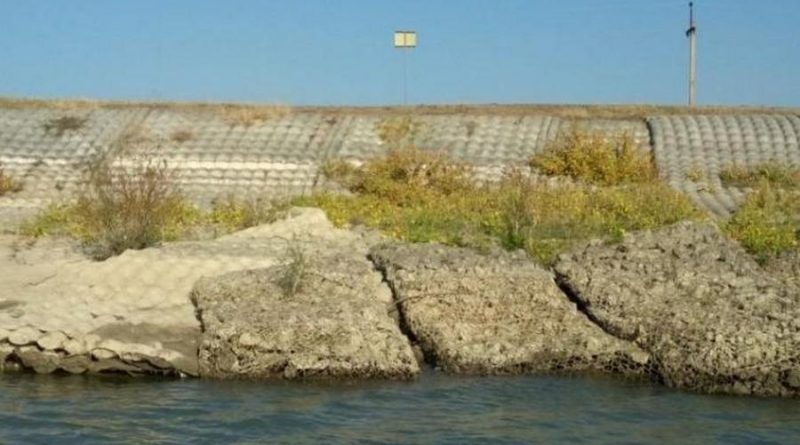
Ukrainian Government Allocates Nearly 50 Million Hryvnias for Emergency Danube Dam Repairs
The Ukrainian government has approved the allocation of nearly 50 million hryvnias for urgent repair work on a damaged dam in the Odesa region. The funds will be provided as a non-refundable grant from the state reserve fund, highlighting the critical nature of the infrastructure emergency and the government’s commitment to protecting communities along the Danube River basin.
Critical Infrastructure at Risk
The decision to release emergency funds underscores the deteriorating condition of the dam, which serves as a vital flood protection barrier for communities in the Odesa region. Dams along the Danube River system play a crucial role in regulating water levels, preventing seasonal flooding, and protecting agricultural lands that are essential to Ukraine’s economy. The Danube Delta region, shared between Ukraine and Romania, is one of Europe’s most important wetland ecosystems and requires constant monitoring and maintenance of its hydraulic infrastructure.
Infrastructure experts have long warned about the aging condition of many Soviet-era dams and levees throughout Ukraine. Many of these structures were built decades ago and have not received adequate maintenance funding, particularly during periods of economic hardship. The current emergency situation in Odesa region serves as a stark reminder of the potential consequences of deferred maintenance on critical water management infrastructure.
Historical Context of Danube Flood Management
The Danube River, Europe’s second-longest river after the Volga, has historically posed flooding challenges for communities along its banks. Ukraine’s portion of the Danube basin covers approximately 32,000 square kilometers and includes some of the country’s most fertile agricultural lands. The region has experienced several significant flood events over the past century, with major flooding occurring in 2006, 2010, and 2013, causing millions of dollars in damage to homes, infrastructure, and crops.
Following Ukraine’s independence in 1991, the country inherited an extensive network of flood control infrastructure that required ongoing investment and modernization. However, economic challenges and competing priorities often resulted in insufficient funding for maintenance programs. The war that began in 2014 and escalated dramatically with Russia’s full-scale invasion in 2022 has further strained government resources, making it increasingly difficult to address non-military infrastructure needs.
Government Response and Funding Mechanism
The allocation from the reserve fund demonstrates the government’s recognition of the immediate threat posed by the dam’s deteriorating condition. Reserve fund disbursements are typically reserved for emergencies that cannot wait for regular budget cycles, indicating that authorities believe the dam could fail without prompt intervention. The non-refundable nature of the grant means local authorities will not be required to repay the central government, reducing the financial burden on regional budgets already stretched thin by wartime conditions.
Engineering assessments conducted prior to the funding decision reportedly identified multiple structural concerns that required immediate attention. While specific technical details have not been publicly disclosed, emergency dam repairs typically address issues such as seepage, erosion, concrete deterioration, and mechanical failures in gates and spillways. The nearly 50 million hryvnia allocation, equivalent to approximately 1.2 million US dollars at current exchange rates, suggests the repairs are substantial but focused on the most critical vulnerabilities.
Broader Implications for Ukrainian Infrastructure
This emergency allocation comes amid ongoing concerns about Ukraine’s infrastructure resilience during wartime. While military attacks have damaged numerous facilities across the country, natural deterioration of aging infrastructure presents equally serious challenges. Water management systems, in particular, require constant attention to prevent catastrophic failures that could endanger lives and livelihoods. The government’s swift response to the Odesa dam emergency may signal a renewed focus on critical infrastructure maintenance despite the pressures of war. International partners and humanitarian organizations have increasingly emphasized the importance of supporting Ukraine’s civilian infrastructure alongside military assistance, recognizing that functioning dams, bridges, and utilities are essential for maintaining population stability and economic activity in regions far from the front lines.