
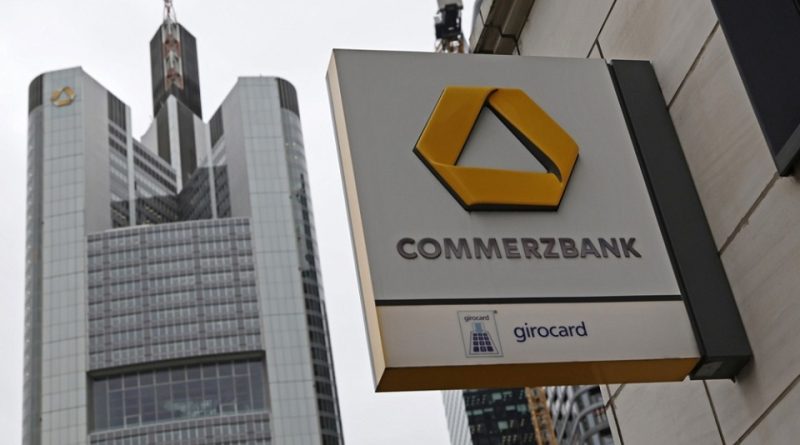
Italy’s Largest Bank Closes In on Control of Germany’s Commerzbank: Acquires 47.6% Stake
UniCredit, Italy’s largest banking institution, has announced the final results of its voluntary takeover bid for Commerzbank, Germany’s second-largest bank, revealing that it has successfully acquired 47.6% of the German lender’s shares. This landmark acquisition marks one of the most significant cross-border banking deals in European history and signals a potential reshaping of the continent’s financial landscape. The move brings the Italian banking giant tantalizingly close to securing majority control over a major German financial institution, a development that has sent ripples through European financial markets and political circles alike.
The Strategic Acquisition Unfolds
UniCredit’s aggressive pursuit of Commerzbank has been months in the making, with the Italian bank steadily building its position through a combination of direct share purchases and derivatives. The voluntary takeover offer, which has now concluded, represents a bold strategic move by UniCredit CEO Andrea Orcel, who has made no secret of his ambitions to create a pan-European banking powerhouse. The 47.6% stake positions UniCredit just shy of the crucial 50% threshold that would grant it outright control of the German institution, though the current holding already provides substantial influence over Commerzbank’s strategic direction.
The acquisition comes at a pivotal moment for European banking, as institutions across the continent grapple with the challenges of digital transformation, increased regulatory requirements, and the need for greater scale to compete with American and Asian rivals. Banking analysts have long argued that European banks remain too fragmented compared to their global competitors, with the top five U.S. banks controlling a far larger share of their domestic market than their European counterparts. UniCredit’s move toward Commerzbank represents a significant step toward the kind of consolidation that many experts believe is necessary for European banking competitiveness.
Historical Context and German Resistance
The potential takeover of Commerzbank carries enormous symbolic weight in Germany, where the bank has operated for over 150 years and played a central role in financing the country’s industrial development. Commerzbank, headquartered in Frankfurt, has approximately 26,000 employees and serves millions of retail and corporate customers across Germany. The German government, which still holds a stake in Commerzbank following a bailout during the 2008 financial crisis, has expressed reservations about foreign control of such a strategically important institution. German politicians and labor unions have voiced concerns about potential job losses and the impact on Germany’s financial sovereignty.
The resistance to foreign takeovers of major German companies has deep historical roots and reflects broader concerns about maintaining domestic control over critical economic infrastructure. Previous attempts by foreign entities to acquire significant German companies have often met with political opposition, even when the commercial logic appeared sound. However, proponents of the UniCredit deal argue that cross-border consolidation is essential for creating banks capable of supporting European businesses on the global stage and competing effectively with larger international rivals.
Regulatory and Political Hurdles
Despite UniCredit’s substantial stake, several regulatory and political obstacles remain before any full takeover can be completed. European banking regulations require approval from multiple supervisory authorities for such significant acquisitions, including the European Central Bank and German financial regulators. The German government’s remaining stake in Commerzbank also complicates matters, as Berlin has indicated it may not be willing to sell its shares to UniCredit without significant guarantees regarding employment and the bank’s commitment to serving the German market.
Implications for European Banking
If UniCredit succeeds in gaining full control of Commerzbank, the combined entity would become one of Europe’s largest banking groups, with a substantial presence in two of the eurozone’s three largest economies. The merger would create significant synergies in areas such as corporate banking, trade finance, and wealth management, while potentially generating cost savings through the consolidation of back-office operations and technology platforms. Industry experts estimate that a fully integrated UniCredit-Commerzbank group could achieve annual cost savings of several hundred million euros.
The deal also has broader implications for the future of European financial integration. For years, policymakers have advocated for the creation of a true European banking union that would allow financial institutions to operate seamlessly across national borders. A successful UniCredit takeover of Commerzbank could serve as a template for future cross-border consolidation, potentially encouraging other banks to pursue similar strategies. However, the political resistance encountered in Germany also highlights the significant nationalist sentiments that continue to complicate European financial integration efforts.