
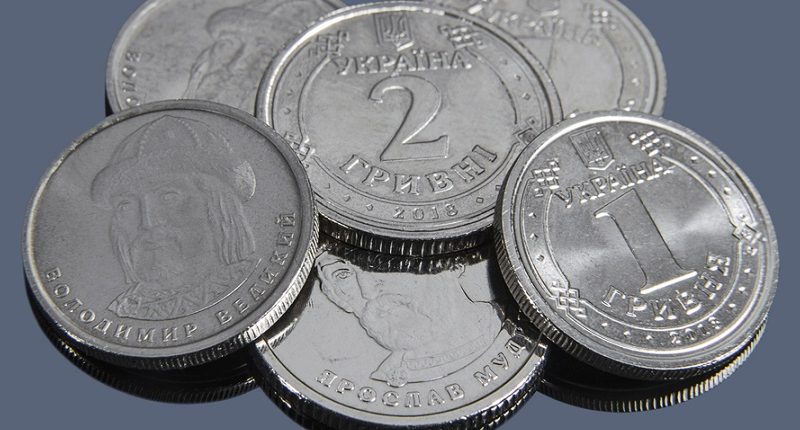
Ukraine’s Economic Decline in Early 2026 Deeper Than Initially Reported, Revised Data Shows
Ukraine’s economy experienced a more severe contraction in the first quarter of 2026 than previously announced, according to revised government statistics released this week. The updated figures reveal that the country’s Gross Domestic Product declined by 0.6% year-over-year during the first four months of the year, painting a more challenging picture of the nation’s economic health as it continues to navigate the ongoing conflict with Russia and its broader implications for regional stability.
The revision comes as a stark reminder of the economic pressures facing Ukraine nearly four years into the full-scale invasion that began in February 2022. Initial estimates had suggested a more modest decline, but deeper analysis of industrial output, agricultural production, and service sector performance revealed the true extent of the economic challenges. The Ukrainian Ministry of Economy attributed the discrepancy to delayed reporting from regions affected by active hostilities and infrastructure damage that complicated data collection efforts across the country.
The economic decline demonstrates the accumulated effects of prolonged conflict on Ukraine’s production capabilities. Major industrial zones in eastern and southern areas continue experiencing disruptions due to military activities, while attacks on energy infrastructure during 2024 and 2025 have generated ongoing difficulties for manufacturing and business operations. The nation’s power grid has been especially targeted, with frequent strikes compelling companies to depend on costly backup power systems or reduce operations completely during periods of high demand. Although substantial international assistance has been provided for grid repairs and strengthening measures, the energy sector continues to be susceptible.
Historical context underscores the magnitude of Ukraine’s economic transformation since the conflict began. In 2021, the year before the invasion, Ukraine’s economy had been growing steadily, recovering from the COVID-19 pandemic with GDP expansion of approximately 3.4%. The initial shock of the 2022 invasion caused an unprecedented economic collapse of nearly 30%, one of the steepest peacetime declines recorded for any country in modern history. While 2023 and 2024 saw partial recoveries as businesses adapted to wartime conditions and Western financial support flowed in, the latest figures suggest that momentum has stalled.
International economists point to several factors contributing to the renewed downturn.
The ongoing mobilization effort has removed hundreds of thousands of working-age men from the labor force, creating acute shortages in construction, agriculture, and manufacturing. Meanwhile, the refugee crisis continues to impact demographic trends, with millions of Ukrainians remaining abroad in European Union countries, Poland, and Germany. The World Bank estimates that Ukraine’s population has declined by approximately 20% since the war began when accounting for both casualties and emigration, representing a generational challenge for economic recovery.
Western financial assistance remains crucial to Ukraine’s economic survival, with the European Union, United States, and international financial institutions providing billions in budgetary support, humanitarian aid, and reconstruction funding. The International Monetary Fund has maintained its Extended Fund Facility program for Ukraine, though officials have expressed concern about the sustainability of debt levels and the long-term fiscal outlook. European Commission representatives emphasized this week that continued support depends on Ukraine’s commitment to anti-corruption reforms and transparent governance, conditions that have occasionally created friction between Kyiv and its Western partners.
Looking ahead, Ukrainian government officials maintain cautious optimism about economic prospects for the remainder of 2026. Agricultural exports, which have stabilized following the establishment of alternative shipping routes through the Black Sea corridor, continue to provide vital foreign exchange earnings. The technology sector, particularly IT services and software development, has shown remarkable resilience, with many Ukrainian tech workers operating remotely from safer regions or abroad while maintaining employment with domestic companies. Prime Minister’s office representatives indicated that infrastructure investment and reconstruction efforts, supported by international donors, could provide economic stimulus in the second half of the year, though much depends on the military situation and the security of critical infrastructure.
The revised economic data serves as a sobering assessment of the long road ahead for Ukraine’s recovery.
Economists estimate that full reconstruction of damaged infrastructure, housing, and industrial capacity could cost upwards of $500 billion over the coming decade, a figure that continues to grow as the conflict persists. For ordinary Ukrainians, the economic pressures translate into daily challenges: rising prices, uncertain employment prospects, and the psychological toll of prolonged warfare. Yet despite these hardships, the resilience of Ukraine’s economy in the face of existential threats remains a testament to the adaptability of its people and institutions during one of the most challenging periods in the nation’s modern history.