
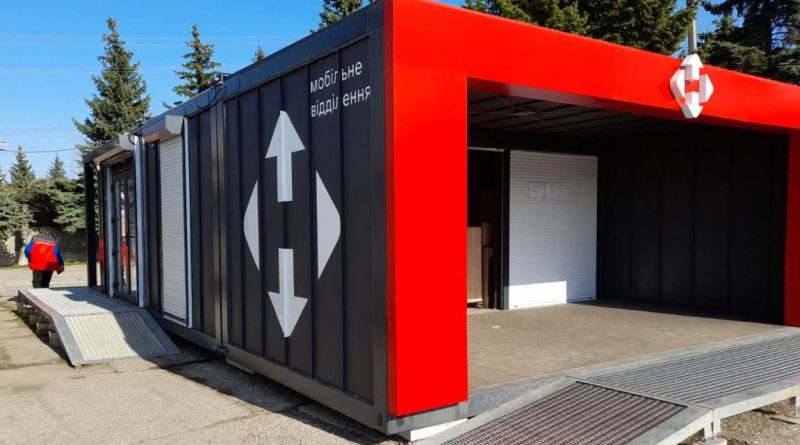
Nova Poshta Eyes Acquisition of Ukraine’s Smallest Bank to Create Financial Inclusion Institution
In a significant development for Ukraine’s financial sector, Nova Poshta, the country’s largest private postal and logistics company, is reportedly in advanced negotiations to acquire BTA Bank, Ukraine’s smallest banking institution by assets. The potential deal, which has been years in the making due to repeated failed sale attempts, could transform the struggling bank into a specialized financial inclusion institution designed to serve underbanked populations across the war-torn nation.
BTA Bank has been on the market for an extended period, with previous ownership attempting to divest the asset without success. The bank, which holds minimal market share in Ukraine’s competitive banking landscape, has struggled to find a strategic buyer willing to take on its operations and regulatory obligations. However, Nova Poshta’s interest represents a potential turning point, as the logistics giant sees an opportunity to leverage its extensive nationwide network to deliver financial services to millions of Ukrainians who currently lack adequate banking access.
The concept of financial inclusion has gained tremendous importance globally, particularly in developing economies and regions affected by conflict. Financial inclusion refers to efforts to make financial products and services accessible and affordable to all individuals and businesses, regardless of their net worth or company size. In Ukraine, where the ongoing war has displaced millions and disrupted traditional banking infrastructure, the need for innovative financial solutions has never been more pressing. According to World Bank estimates, approximately 37% of Ukrainian adults remain unbanked or underbanked, a figure that has likely increased since the full-scale Russian invasion began in February 2022.
Nova Poshta operates one of the most extensive logistics networks in Ukraine, with over 10,000 branches and parcel terminals spread across the country, including in remote rural areas where traditional banks have limited presence. This infrastructure could prove invaluable for delivering basic banking services such as deposits, withdrawals, money transfers, and bill payments to communities that have historically been overlooked by major financial institutions. The company has already demonstrated its ability to adapt during wartime conditions, maintaining operations even in frontline regions and areas under temporary occupation.
The potential acquisition follows a broader trend in global fintech and retail banking, where non-traditional players are entering the financial services space. Companies like Amazon, Walmart, and various postal services worldwide have explored or launched banking products, recognizing the synergies between retail networks and financial service delivery. Brazil’s Banco Postal, a partnership between the postal service and Banco do Brasil, has successfully brought banking to millions of previously unbanked Brazilians through post office branches. Nova Poshta appears to be pursuing a similar model adapted to Ukrainian market conditions.
Industry experts suggest that converting BTA Bank into a financial inclusion-focused institution could address several challenges simultaneously. For Nova Poshta, it provides a new revenue stream and deepens customer relationships. For Ukrainian regulators, it potentially revitalizes a struggling bank while expanding financial access. For consumers, particularly those in rural areas, small business owners, and internally displaced persons, it could mean access to formal financial services for the first time. The National Bank of Ukraine has been actively promoting financial inclusion initiatives as part of broader economic recovery and modernization efforts.
The transformation would likely require significant investment in digital infrastructure, staff training, and regulatory compliance. BTA Bank would need to develop new product offerings tailored to underserved populations, including simplified accounts with low or no minimum balances, microloans for small entrepreneurs, and accessible remittance services for the millions of Ukrainians now living abroad. The integration of Nova Poshta’s existing customer base and logistics technology could accelerate this process considerably.
While the deal has not been officially confirmed, sources close to the negotiations indicate that both parties are motivated to reach an agreement. The acquisition would mark Nova Poshta’s most significant diversification effort to date and could establish a new model for financial service delivery in post-war Ukraine. As the country continues to pursue European Union membership and economic reforms, expanding financial inclusion will remain a critical priority, making this potential transaction particularly timely and strategically significant for Ukraine’s economic future.