
Ukraine Allocates Nearly 600 Million Hryvnias for Chernobyl Nuclear Safety and Exclusion Zone Security
Government Funding Allocation for Chernobyl Safety
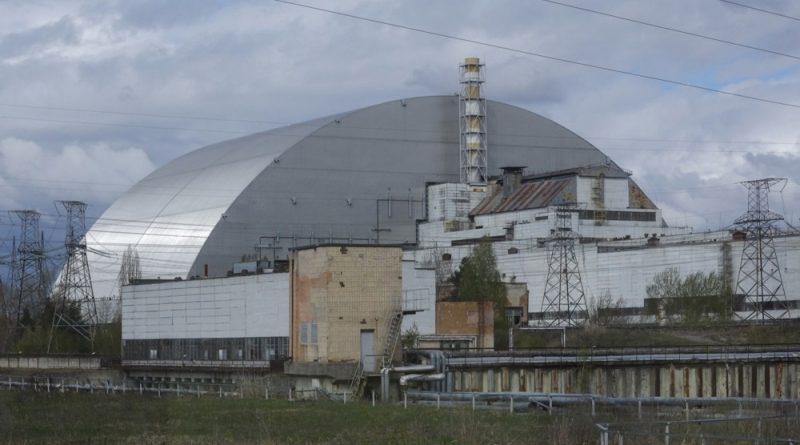
The Ukrainian government has announced significant funding allocations for maintaining safety at the Chernobyl Nuclear Power Plant and its surrounding exclusion zone, with Prime Minister Denys Shmyhal confirming that nearly 600 million hryvnias will be directed toward these critical infrastructure needs. Of this substantial sum, 525 million hryvnias will specifically support the maintenance and safe operation of the decommissioned reactor units and the protective Shelter Object, commonly known as the sarcophagus, which encases the destroyed fourth reactor.
Energy Minister German Galushchenko provided details on the allocation during recent government discussions, emphasizing the ongoing importance of maintaining strict safety protocols at the site that witnessed the world’s worst nuclear disaster nearly four decades ago. The funding represents Ukraine’s continued commitment to nuclear safety despite the enormous economic pressures the country faces during the ongoing conflict with Russia. The remaining funds will be directed toward general security measures throughout the 2,600 square kilometer exclusion zone that surrounds the former power plant.
Historical Context of the Chernobyl Disaster
The Chernobyl disaster of April 26, 1986, remains one of the most significant technological catastrophes in human history. The explosion at Reactor Number 4 released approximately 400 times more radiation than the atomic bomb dropped on Hiroshima, contaminating vast territories across Ukraine, Belarus, and parts of Russia and Europe. The initial concrete sarcophagus was hastily constructed in the months following the disaster under extremely hazardous conditions, with workers limited to brief exposure periods due to lethal radiation levels. Over the decades, this structure began deteriorating, prompting international cooperation to build the New Safe Confinement, a massive arch-shaped steel structure completed in 2016 at a cost of over 1.5 billion euros.
The New Safe Confinement Structure
The New Safe Confinement, designed to last at least 100 years, now shields the original damaged reactor and allows for eventual dismantling operations. However, maintaining this enormous structure and the decommissioned reactors requires constant investment in monitoring systems, specialized equipment, and highly trained personnel. The site employs thousands of workers who conduct regular inspections, radiation monitoring, and maintenance activities essential for preventing any release of radioactive materials that still remain within the destroyed reactor core.
International Safety Oversight and Recent Challenges
International nuclear safety experts have consistently emphasized the importance of continued investment in Chernobyl’s infrastructure. The International Atomic Energy Agency has conducted numerous missions to assess conditions at the site, particularly following the Russian military occupation of the plant during the early months of the 2022 invasion. During that period, concerns mounted about the safety of nuclear facilities as fighting occurred nearby and workers were held under duress. The occupation highlighted vulnerabilities in nuclear site security during armed conflict and reinforced the need for robust safety measures and adequate funding.
The Exclusion Zone: Wildlife and Research
Beyond the immediate reactor site, the exclusion zone has evolved into an unexpected wildlife sanctuary and a subject of ongoing scientific research. Populations of wolves, wild boar, deer, and even European bison have flourished in the absence of human habitation, creating a unique ecosystem that researchers continue to study for insights into radiation’s long-term effects on wildlife and ecosystems. The zone also attracts significant tourism interest, with guided tours generating revenue before the current conflict limited access. Scientists maintain research stations throughout the area, conducting studies that inform global understanding of nuclear contamination remediation and ecological recovery.
Ukraine’s governmental funding choice mirrors wider priorities concerning the upkeep of essential infrastructure amid wartime circumstances. Experts in nuclear safety emphasize that steady investment remains crucial irrespective of external factors, since any gap in maintenance could result in catastrophic outcomes reaching well beyond Ukraine’s borders. This allocation further showcases Ukraine’s compliance with international nuclear safety protocols and its dedication to responsibly managing the Chernobyl legacy, which will demand attention for generations as the gradual decommissioning process advances toward its ultimate conclusion.