
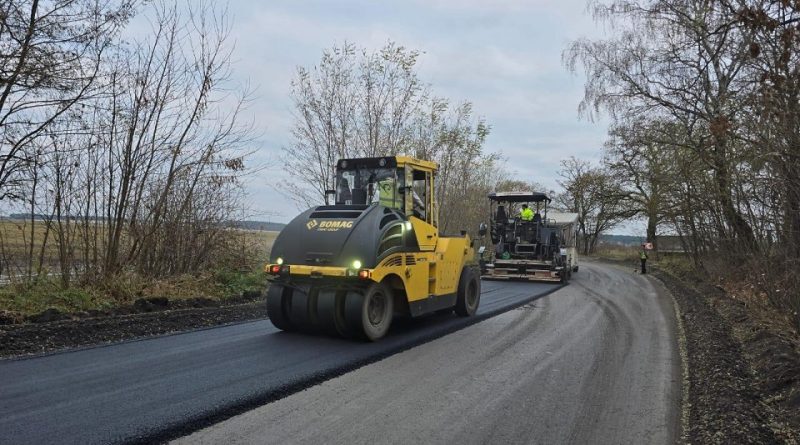
Kazakhstan Plans to Restore Road Fund at 25% Level Starting 2027
Kazakhstan’s parliament is set to consider a significant proposal that could reshape the country’s approach to road infrastructure maintenance and development. Lawmakers will review a plan to partially restore the national road fund, with the initiative targeting a 25% restoration level beginning in 2027. This move comes as the Central Asian nation grapples with the challenging task of maintaining its vast network of highways and regional roads that stretch across one of the world’s largest landlocked countries.
The road fund mechanism, which serves as a dedicated financing source for road repairs and construction projects, has been a subject of considerable debate among policymakers and transportation experts. The proposed partial restoration represents a compromise solution that aims to balance fiscal constraints with the pressing need for improved road infrastructure. Government officials have emphasized that the dedicated funding stream would provide more predictable and stable financing for road maintenance projects, which have historically suffered from inconsistent budget allocations.
Historical Context of Road Funding in Kazakhstan
The historical context of road funding in Kazakhstan reveals a complex evolution of financing mechanisms. Road funds were originally established in many post-Soviet states during the 1990s as a way to earmark specific revenues, typically from fuel taxes and vehicle registration fees, exclusively for road infrastructure. However, many countries, including Kazakhstan, moved away from this model in favor of general budget financing, arguing that it provided greater fiscal flexibility. Critics of this approach have long contended that the elimination of dedicated road funds led to chronic underinvestment in road maintenance, resulting in deteriorating conditions across significant portions of the national road network.
Infrastructure Challenges Across Vast Territory
Transportation analysts note that Kazakhstan’s road infrastructure faces unique challenges due to the country’s vast territory spanning over 2.7 million square kilometers. The nation maintains approximately 95,000 kilometers of public roads, with significant portions requiring regular maintenance due to extreme temperature variations that can range from minus 40 degrees Celsius in winter to plus 40 degrees in summer. These harsh climatic conditions accelerate road surface degradation, making consistent funding for repairs and rehabilitation absolutely essential. The partial restoration of the road fund could provide municipalities and regional governments with more reliable resources to address these ongoing maintenance needs.
Economic Implications and Strategic Trade Goals
Economic analysts have emphasized the wider ramifications of enhanced road infrastructure for Kazakhstan’s economic growth. Superior roads enable trade, lower transportation expenses, and strengthen links between metropolitan areas and rural populations. This holds particular importance for Kazakhstan, which functions as an essential transit route connecting China and Europe under the Belt and Road Initiative. The nation has been actively working to establish itself as a logistics center, and the condition of its road network is crucial for drawing international cargo transport and investment. The proposed reinstatement of the road fund could thus support not just domestic transportation requirements but also the country’s strategic goals in regional commerce.
Parliamentary Debate and Future Outlook
The 25% restoration level, while representing only a quarter of the fund’s potential capacity, is viewed by proponents as a pragmatic first step that could be expanded in subsequent years based on fiscal conditions and demonstrated effectiveness. Parliamentary discussions are expected to address questions about the specific revenue sources that would finance the restored fund, potential oversight mechanisms to ensure transparent utilization of funds, and criteria for prioritizing road projects across different regions. Opposition lawmakers have expressed concerns that the proposed percentage may be insufficient to address the accumulated maintenance backlog, while fiscal conservatives have cautioned against creating new earmarked funds that could limit budgetary flexibility.
Moving forward, the results of parliamentary discussions will carry substantial consequences for Kazakhstan’s infrastructure development path. Should it receive approval, the reinstated road fund would mark a meaningful change in the government’s infrastructure financing strategy, potentially becoming a template for other sectors confronting comparable funding difficulties. Transportation ministry representatives have stated that comprehensive implementation plans are under development, with the 2027 launch date providing adequate time to establish administrative structures and coordination systems with regional governments. As Kazakhstan presses on with its initiatives to modernize its economy and raise living standards throughout its varied regions, the quality and dependability of road infrastructure will continue to be an essential element in reaching these national goals.